Raindrops on roads and whispers of caution
The west of Scotland's notoriously damp climate frequently poses driving challenges that require your focus. With regular rainfall and often erratic weather patterns, it is crucial to understand how these conditions affect your driving experience and your vehicle's maintenance.
This guide offers smart driving insights and practical suggestions to ensure you and your family's safety on the road and the well-being of your car, regardless of its make or model.

How wet weather impacts driving.
Wet weather can significantly alter driving conditions, requiring drivers to exercise increased caution and awareness. Understanding these impacts is crucial to maintaining road safety during adverse weather conditions.
Reduced traction.
Wet roads can significantly diminish the grip between your tyres and the tarmac, leading to longer stopping distances and an increased risk of skidding or aquaplaning, especially at higher speeds.
Visibility challenges.
Rain can impair visibility due to water on the windscreen and mist build-up. Ensuring optimal visibility is crucial; poorly defogged screens can lead to hazardous situations.
Aquaplaning risks.
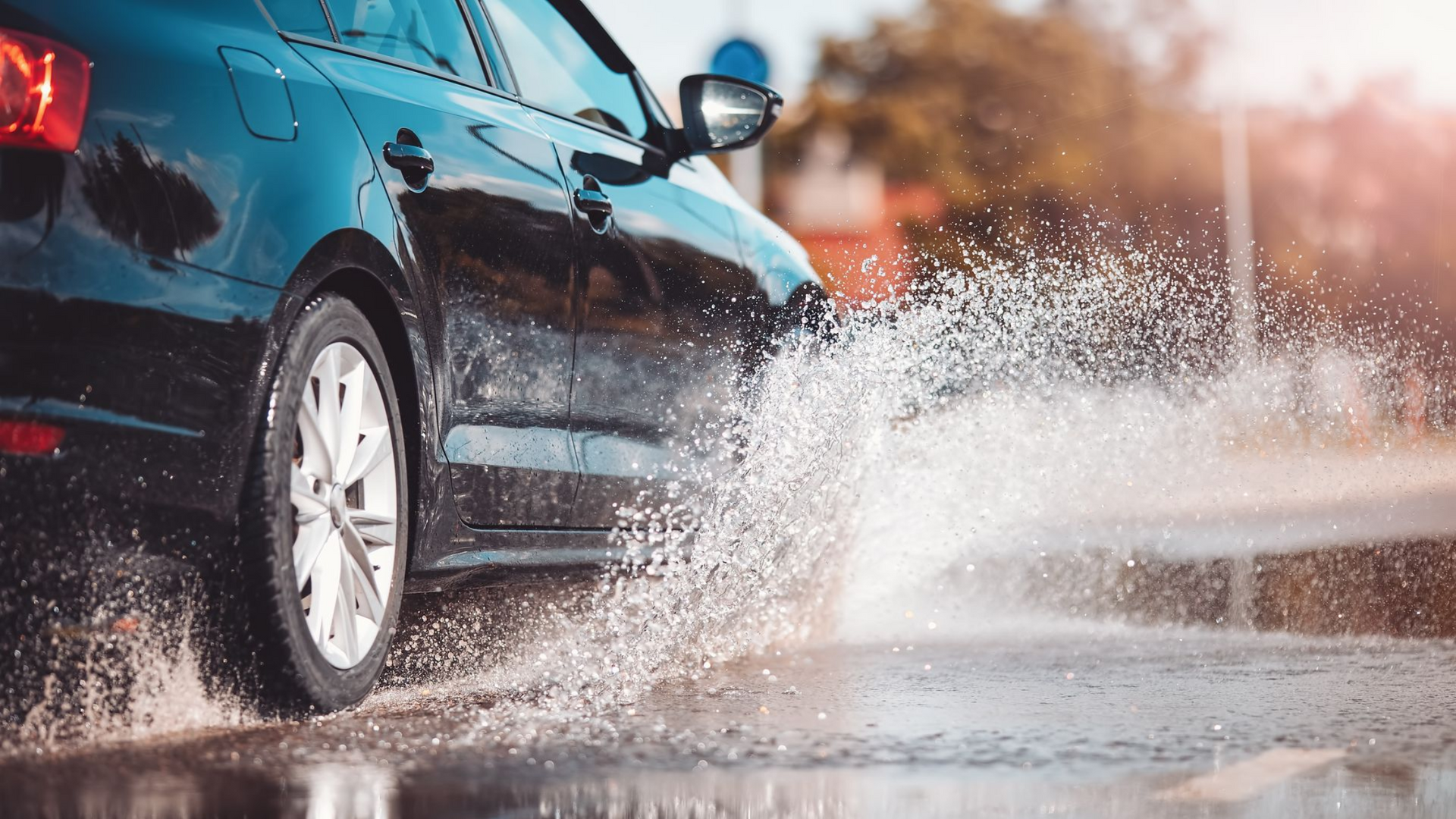
Water accumulation on the road can create a slippery layer that may cause your vehicle to lose contact with the surface, affecting your ability to steer and brake effectively.
Increased stopping distances.
On wet surfaces, it can take twice as long to stop compared to dry conditions, emphasising the need for heightened vigilance and maintaining a greater distance from the vehicle in front.
Flood awareness.
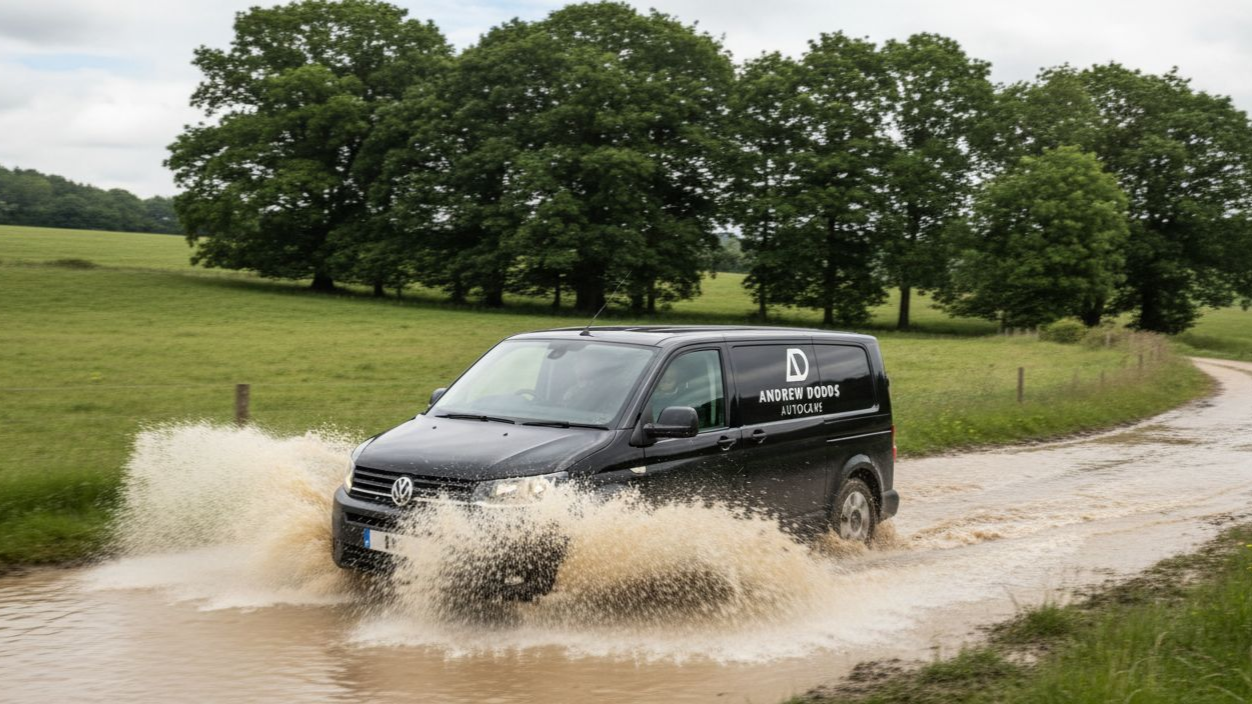
One of the most critical safety measures during heavy rain is to avoid driving through floods. Even shallow water can incapacitate your vehicle or put you in dangerous situations, such as being swept away. Always heed road signs and avoid flooded areas.
Top tips for safe driving during rain.
Inspect your tyres.
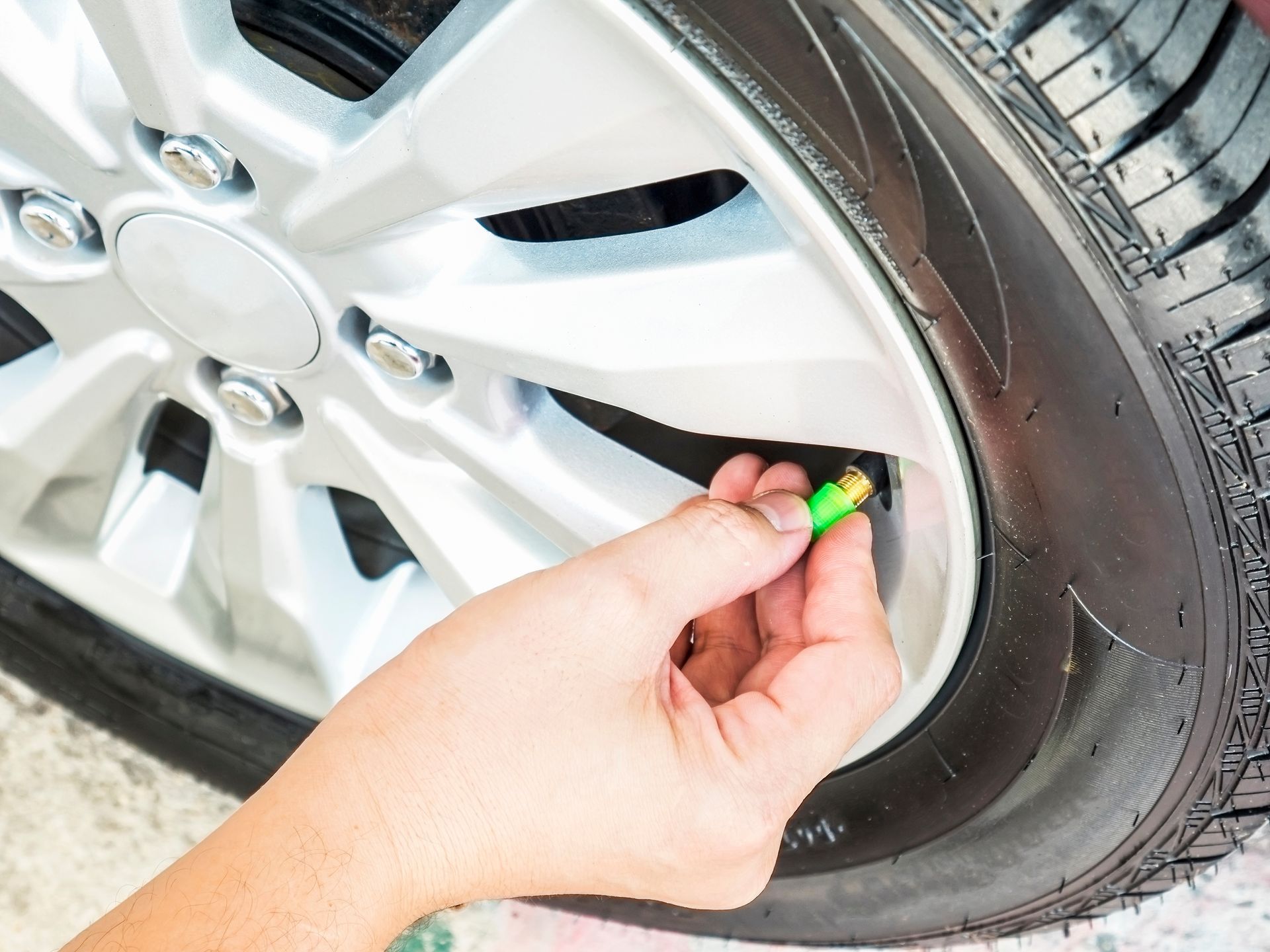
We recommend checking your tyre tread depth and pressure regularly. Quality tyres are vital for maintaining grip in wet conditions, so ensure they are well-suited for diverse driving scenarios.
Utilise your headlights.
Always switch on your headlights in wet weather, as this increases your visibility to others and improves your sightline. However, avoid high beams, as they can create glare in rain.
Reduce speed.
Lowering your speed enhances your ability to respond to sudden changes on the road, reducing the risk of losing control.
Maintain increased distance.
It’s crucial to keep a greater distance between your vehicle and the one in front. This extra space provides more time to react, particularly if the vehicle ahead encounters difficulties due to the conditions.
Avoid abrupt movements.
Be smooth in your steering and braking inputs. Sudden changes can cause skids, particularly on slick surfaces.
Stay composed in skids.
If your vehicle begins to skid, remain calm. Turn smoothly in the direction you want the vehicle to go and avoid hard braking, which can worsen the skid.
Caring for your vehicle in wet conditions.
Commit to regular maintenance.
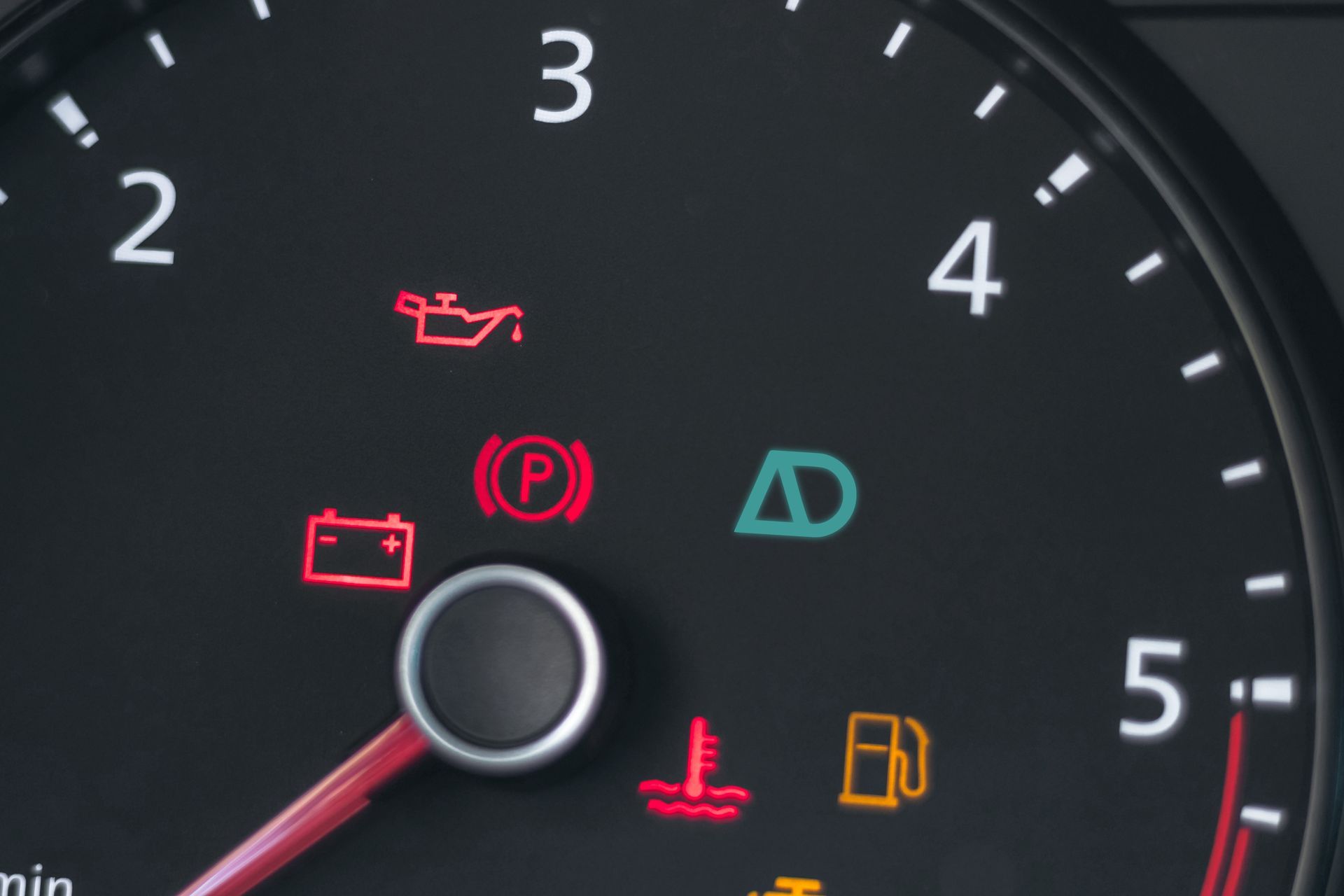
At Andrew Dodds Autocare, we stress the importance of routine maintenance checks for your tyres, brakes, and windscreen wipers to ensure your vehicle is prepared for wet conditions.
Ensure your air conditioning is functioning.
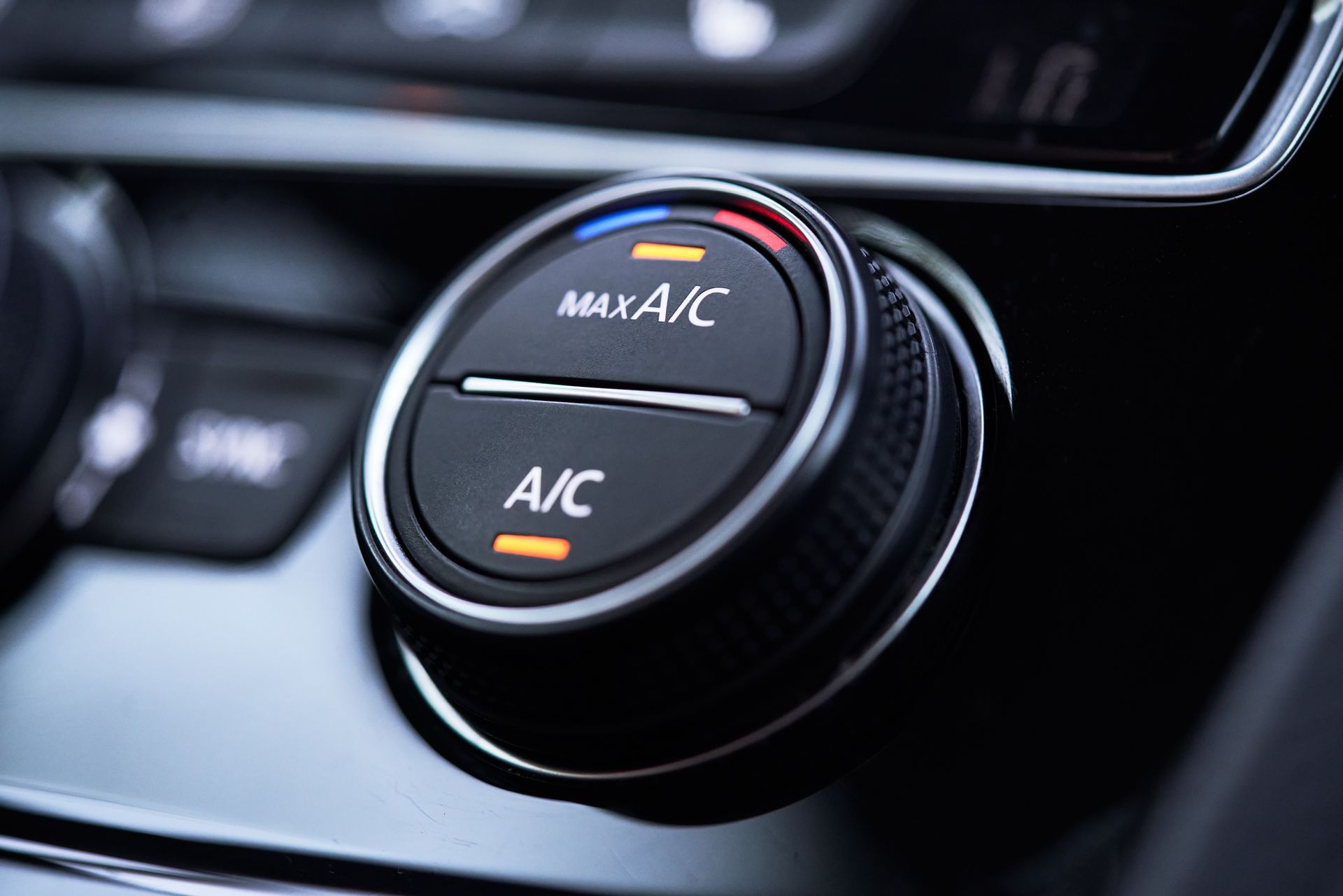
Properly working air conditioning in Scotland's wet winters helps remove moisture from the cabin, prevents window fogging, and keeps seals, hoses, and the compressor lubricated, helping avoid system failure.
Keep the interior dry.
Moisture can seep into your car during heavy rain, so using weather-resistant floor mats and attending to spills promptly can help protect against mould and odours.
Clean your car's lights.
With cold and wet weather, your headlights and taillights matter more than ever. Clear lights help everyone see and be seen.
Protect your car’s finish.
Applying a high-quality wax or sealant will protect your vehicle's paintwork from water stains and other environmental elements, preserving its overall appearance.
Engine vigilance.
Water can affect electrical components, so ensure all seals are intact and that sensitive areas are properly shielded from moisture.
Brakes and suspension checks.
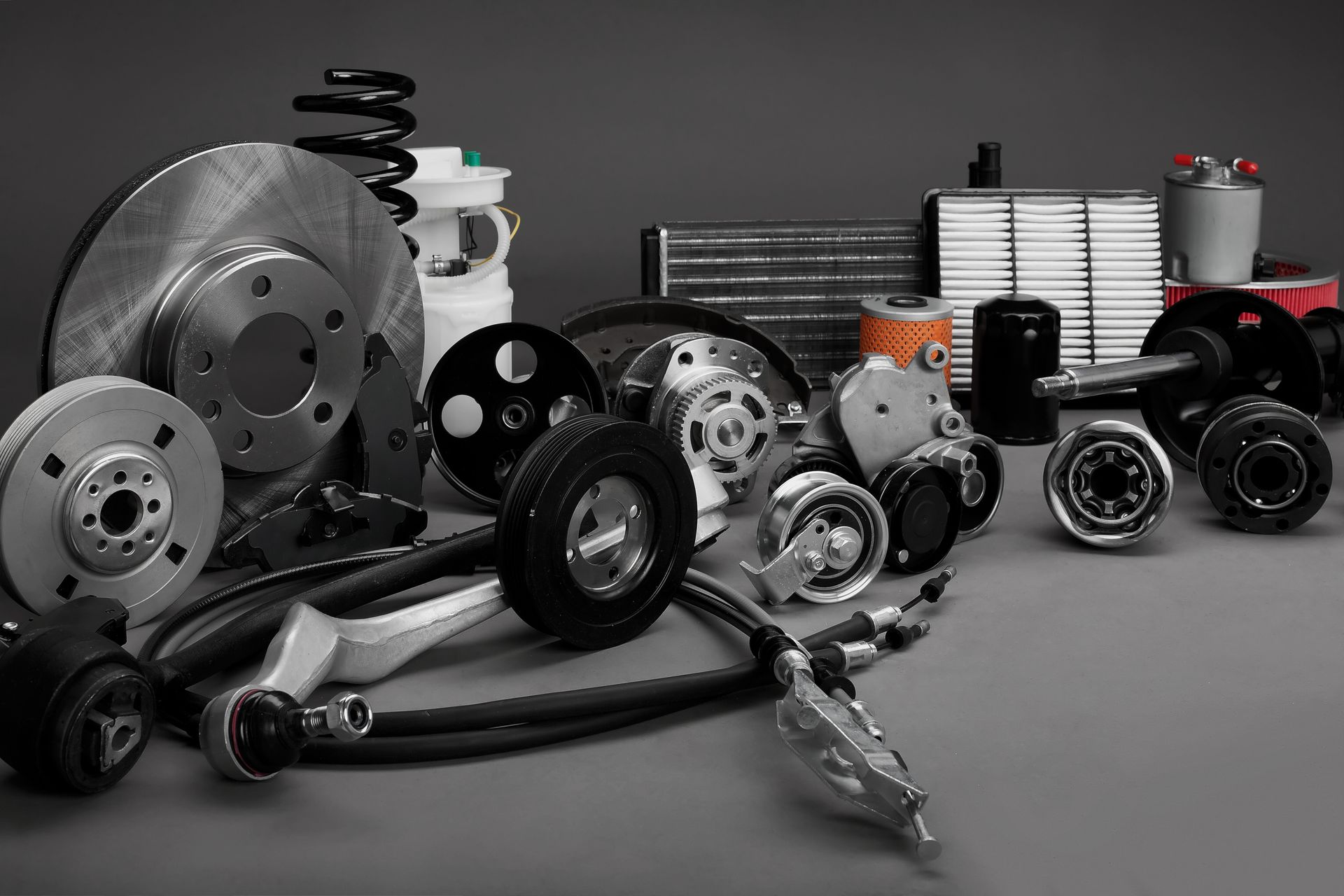
Wet weather can increase wear on brake pads and suspension components. Regular inspections by our skilled team will ensure your vehicle remains safe and responsive.
General cleaning after wet weather.
After exposure to wet, snowy conditions, make it a point to clean your vehicle thoroughly to prevent rust and salt corrosion, particularly in the undercarriage and wheel wells, where muck tends to accumulate.

Driving in wet weather necessitates heightened awareness. By understanding the implications of rain, taking the necessary precautions, and avoiding flooded areas, you can ensure your safety and the longevity of your vehicle.
🎵 So simply remember AD's safety tips, and then feel prepared and glad... 🎵
Stay safe on the road, and let us help keep your car in prime condition.
At Andrew Dodds Autocare, we are committed to providing expert maintenance and care for vehicles of all kinds, ensuring you can enjoy every journey, rain or shine. Stay safe on the road, and let us help keep your car in prime condition.
Give us a call on 01292 299 023 to book your car in.
other posts